

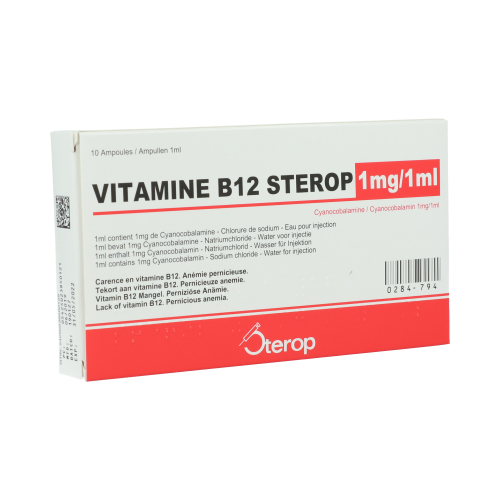
Description
The Importance of Vitamin B12
Vitamin B12, also known as cobalamin, is an essential water-soluble vitamin that plays a vital role in the production of red blood cells, DNA synthesis, and maintaining a healthy nervous system. A deficiency of this vitamin can lead to serious health problems, including anemia, neurological disorders, and cognitive impairment.
What is Vitamin B12?
Vitamin B12 is naturally found in animal-based foods such as meat, fish, eggs, and dairy products. It is essential for the proper functioning of the body and contributes to numerous vital bodily processes.
Functions in the Body
- Energy Production: Vitamin B12 helps convert carbohydrates into glucose, providing the body with energy.
- Nervous System: It plays a crucial role in maintaining healthy nerve cells and producing myelin, the protective sheath surrounding nerves.
- Red Blood Cells: Vitamin B12 is essential for the production of red blood cells, which transport oxygen throughout the body.
- DNA Synthesis: It is involved in the creation and repair of DNA, the genetic material found in every cell.
Natural Sources
The primary natural sources of Vitamin B12 are animal-based products:
- Meat (beef, pork, lamb)
- Fish (salmon, tuna, trout)
- Dairy products (milk, cheese, yogurt)
- Eggs
Vitamin B12 Deficiency
A Vitamin B12 deficiency can cause serious health problems. It is important to recognize the symptoms and take timely action.
Symptoms
- Fatigue and weakness
- Anemia
- Tingling and numbness in the hands and feet
- Difficulty walking and balance problems
- Memory problems and cognitive impairment
- Depression and mood changes
Causes
A Vitamin B12 deficiency can have several causes, including:
- Insufficient Intake: People following a strict vegetarian or vegan diet are at a higher risk of developing a Vitamin B12 deficiency.
- Malabsorption: Certain medical conditions, such as Crohn's disease or celiac disease, can interfere with the absorption of Vitamin B12 in the intestines.
- Pernicious Anemia: An autoimmune disorder that prevents the absorption of Vitamin B12 due to a lack of intrinsic factor, a protein required for proper B12 absorption.
High-Risk Groups
- Older adults
- Vegetarians and vegans
- People with gastrointestinal disorders
- Individuals taking certain medications, such as proton pump inhibitors and metformin
Diagnosis of Vitamin B12 Deficiency
Diagnosing a Vitamin B12 deficiency usually begins with a blood test to measure Vitamin B12 levels. Symptom evaluation and medical history are also important for making an accurate diagnosis.
Blood Tests
A standard blood test can measure Vitamin B12 levels in the bloodstream. If a deficiency is suspected, additional tests such as methylmalonic acid (MMA) and homocysteine may also be performed to confirm the diagnosis.
Symptom Assessment
Doctors will also evaluate the symptoms experienced by the patient. A combination of blood test results and symptom assessment helps establish an accurate diagnosis.
Treatment Options
Several treatment options are available for people with a Vitamin B12 deficiency, including oral supplements and injections.
Oral Supplements
Oral supplements are often the first treatment option for people with a mild Vitamin B12 deficiency. They are widely available and can be highly effective when taken consistently.
Injections
For people with a severe deficiency or those who have difficulty absorbing Vitamin B12 through the digestive tract, Vitamin B12 injections are an effective treatment option. These injections deliver Vitamin B12 directly into the bloodstream, ensuring rapid and effective replenishment of the vitamin.
Benefits of Vitamin B12 Injections
Vitamin B12 injections offer several benefits, especially for people with severe deficiencies or absorption disorders.
Rapid Absorption
Because the vitamin is injected directly into the bloodstream, it is absorbed much faster than oral supplements. This allows deficiency symptoms to improve more quickly.
Effectiveness
Vitamin B12 injections are particularly effective for people with conditions that interfere with the absorption of Vitamin B12 in the intestines, such as pernicious anemia or certain gastrointestinal disorders.
How Do Vitamin B12 Injections Work?
Vitamin B12 injections work by delivering the vitamin directly into the muscle, usually in the upper arm or thigh. This bypasses the digestive system, allowing the vitamin to enter the bloodstream quickly and efficiently.
Administration Method
The injections are usually administered intramuscularly, meaning the needle is inserted into the muscle. This allows the vitamin to be released gradually into the bloodstream.
Mechanism of Action
Once in the bloodstream, Vitamin B12 is transported throughout the body to the cells that need it. The vitamin supports the production of red blood cells, maintains healthy nerve cells, and contributes to DNA synthesis.
Side Effects of Vitamin B12 Injections
Although Vitamin B12 injections are generally considered safe, they may cause side effects in some individuals.
Possible Reactions
- Pain or redness at the injection site
- Headache
- Nausea
- Dizziness
Risks
In rare cases, people may be allergic to one or more ingredients in the injection, which can result in more serious reactions such as skin rash, itching, or difficulty breathing. It is important to consult your doctor before starting Vitamin B12 injections.
Who Can Benefit from Vitamin B12 Injections?
Vitamin B12 injections can be particularly beneficial for specific groups of people and certain medical conditions.
Specific Groups
- Older Adults: The body's ability to absorb Vitamin B12 decreases with age, making older adults more susceptible to deficiency.
- Vegetarians and Vegans: These groups may not get enough Vitamin B12 through their diet, as the vitamin is found primarily in animal-based foods.
- People with Absorption Disorders: Individuals with conditions such as Crohn's disease, celiac disease, or pernicious anemia may benefit significantly from Vitamin B12 injections.
Medical Conditions
Vitamin B12 injections are also commonly used to treat specific medical conditions, including:
- Pernicious anemia
- Neurological disorders
- Chronic fatigue syndrome
How Often Do You Need Vitamin B12 Injections?
The frequency of Vitamin B12 injections depends on your individual needs and the severity of the deficiency.
Frequency
During the initial stage of treatment, weekly injections may be necessary. Over time, the frequency can often be reduced to monthly or even less frequently, depending on blood test results and symptom improvement.
Dosage
The dosage is typically 1,000 micrograms (mcg) per injection, although it may vary depending on the severity of the deficiency and your doctor's recommendations.
Cost of Vitamin B12 Injections
The cost of Vitamin B12 injections can vary depending on where you purchase them and whether your health insurance covers the expense.
Price Comparison
- Pharmacies: You can usually purchase Vitamin B12 injections here with a prescription.
- Online Stores: These are often more affordable, especially when buying in bulk.
- Health Clinics: Some clinics provide Vitamin B12 injections as part of their healthcare services.
Buy Vitamin B12 Without a Prescription
You can purchase Vitamin B12 without a prescription from our online store. This provides a convenient and accessible way to supplement a Vitamin B12 deficiency.
Where to Buy
Our online store offers a wide range of Vitamin B12 injections that can be purchased without a prescription. We ensure that all our products are of the highest quality and meet strict safety standards.
Online Options
Buying Vitamin B12 injections online is a convenient option. You can easily compare prices, read customer reviews, and place your order from the comfort of your own home.
Legal Considerations
Although Vitamin B12 injections are available without a prescription, it is important to verify whether this is permitted in your country or region. Our online store complies with all applicable legal requirements to ensure you can purchase safely and legally.
How to Choose a Reliable Supplier
When purchasing Vitamin B12 injections, it is essential to choose a trustworthy supplier to ensure the quality and safety of the product.
Buying Tips
- Read Customer Reviews: Check what other customers have to say about the product and the supplier's service.
- Verify Certifications: Make sure the supplier is certified and complies with recognized safety standards.
- Check the Product's Origin: Whenever possible, choose products that are approved for use in your country or region.
Using Vitamin B12 Injections
If you choose to use Vitamin B12 injections, it is important to know how to administer them correctly.
Step-by-Step Guide
- Prepare the Injection: Wash your hands thoroughly and gather all the necessary supplies, including the syringe and the Vitamin B12 solution.
- Clean the Injection Site: Use an alcohol swab to disinfect the skin.
- Draw the Vitamin into the Syringe: Ensure you are using the correct dosage.
- Administer the Injection: Insert the needle into the muscle and slowly inject the solution.
- Remove the Needle and Clean the Area: Remove the needle and gently press a cotton ball or gauze over the injection site.
Self-Injection
If you plan to administer the injection yourself, consult a doctor or qualified healthcare professional first to ensure you use the correct technique and inject safely.
Precautions
Before starting Vitamin B12 injections, there are several precautions you should keep in mind.
Allergies
Check whether you are allergic to any of the ingredients in the injection solution. If you are unsure, consult your doctor before use.
Medical History
Discuss your complete medical history with your healthcare provider, including any medications you are currently taking, to ensure that Vitamin B12 injections are safe and appropriate for you.
Vitamin B12 in Your Diet
Although injections are an effective way to treat a deficiency, it is also important to obtain Vitamin B12 through a healthy, balanced diet.
Dietary Adjustments
Consider adding more Vitamin B12-rich foods to your diet, such as:
- Meat (especially organ meats such as liver)
- Fish and shellfish
- Dairy products
- Fortified cereals and plant-based milk alternatives
Vitamin B12-Rich Foods
A diet rich in Vitamin B12 can help maintain healthy B12 levels and support your overall health.
Scientific Research
Extensive scientific research has been conducted on the benefits of Vitamin B12 and the effectiveness of Vitamin B12 injections.
Recent Studies
Recent studies have shown that Vitamin B12 injections are particularly effective in treating severe deficiencies and improving overall health.
Health Benefits
Research has demonstrated several health benefits of maintaining adequate Vitamin B12 levels, including improved cognitive function, increased energy levels, and a reduced risk of certain chronic diseases.
Conclusion
Vitamin B12 is an essential nutrient that plays a critical role in many important bodily functions. A deficiency can lead to serious health complications, but Vitamin B12 injections provide an effective solution for restoring healthy Vitamin B12 levels.
Whether you require injections due to a medical condition or as a dietary supplement, you can easily and safely purchase Vitamin B12 without a prescription from our online store. Be sure to stay well informed and consult your healthcare provider before beginning treatment.
For more answers to frequently asked questions, please visit our FAQ.
Reviews
There are no reviews yet.